
Title Transfer
Salvage vs Rebuilt Title Florida: Key Differences
Learn the critical differences between a salvage title and a rebuilt title in Florida, including legal requirements, inspections, and registration.
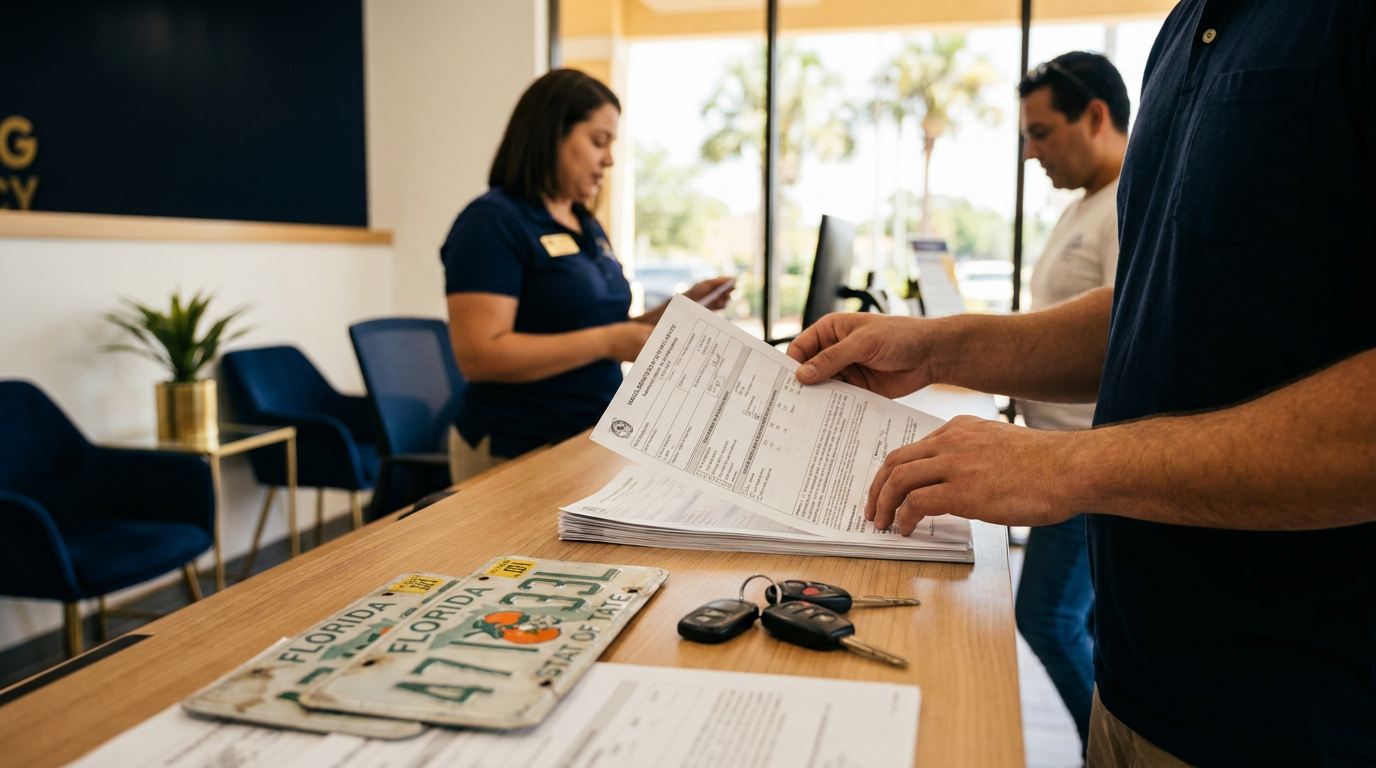
When shopping for a used vehicle in the Sunshine State, you will frequently encounter titles marked with special brands. Understanding the distinction between a salvage vs rebuilt title Florida drivers encounter can save you thousands of dollars, prevent severe legal headaches, and keep you from purchasing a vehicle you cannot legally operate.
While both titles indicate that a car suffered major damage in its past, they represent entirely different stages of repair, legality, and roadworthiness under Florida law. Here is what every Florida car buyer, seller, and owner needs to know about these title classifications.
Salvage vs Rebuilt Title Florida: Understanding the Core Differences
At its simplest, the difference comes down to whether the vehicle can legally be driven on Florida public roads.
- Salvage Title: The vehicle is declared a total loss by an insurance company or owner. It is considered unsafe or uneconomical to repair, and it cannot be driven, registered, or tagged in Florida in its current state.
- Rebuilt Title: The vehicle was once a salvage vehicle, but it has undergone verified structural and mechanical repairs, passed a physical Florida Department of Highway Safety and Motor Vehicles (FLHSMV) inspection, and has been approved for regular road use.
| Feature | Florida Salvage Title | Florida Rebuilt Title |
|---|---|---|
| Road Legal? | No | Yes |
| Can be registered/tagged? | No | Yes |
| Eligible for insurance? | No standard road coverage | Generally eligible (often liability only) |
| Inspection completed? | Pending or unapproved | Inspected & certified by FLHSMV |
| Resale value | Lowest (parts/scrap value) | 20% to 40% below clean retail value |
What Defines a Florida Salvage Title?
Under Florida Statute 319.30, an insurance company typically issues a total loss payout when the projected cost of repairing a damaged vehicle exceeds 80% of its actual cash value (ACV) prior to the loss. When an insurer pays out a total loss claim, the existing title must be surrendered, and the state issues a salvage certificate of title.
Common causes for a salvage brand include:
- Severe collision impact
- Flood or hurricane water damage (which may carry a specific "Flood" brand)
- Fire damage
- Vandalism or major theft recovery after insurance settlement
Can You Drive a Salvage Car?
No. You cannot obtain a license plate or registration for a vehicle carrying an active salvage certificate of title. It cannot be driven on public highways under any circumstances. If you purchase a salvage car, it must be towed or trailered from the seller’s location to a repair facility or storage lot.
What Defines a Florida Rebuilt Title?
A rebuilt title represents the second life of a salvage vehicle. To earn this brand, a rebuilder must restore the vehicle to safe operating condition and satisfy rigorous documentation and inspection standards set by the state.
Once a regional FLHSMV compliance examiner verifies that the repairs were completed properly and that no stolen parts were used, the state cancels the salvage status and issues a new Florida title marked with the brand "REBUILT."
Vehicles with a rebuilt title can:
- Be legally titled in your name
- Receive standard Florida metal license plates and registration decals
- Be insured (though policies may carry coverage restrictions)
- Be sold to private parties or dealerships
The Florida Rebuilt Inspection Process
Converting a salvage title into a rebuilt title requires strict adherence to state procedures. The state wants to verify both mechanical safety and component provenance (ensuring parts were not sourced from stolen vehicles).
Required Documentation
To apply for a rebuilt title inspection, the applicant must gather:
- The original Florida Salvage Title issued in the applicant's name (or properly reassigned).
- Application for Rebuilt Title (Form HSMV 84490): Completed and signed.
- Application for Certificate of Title (Form HSMV 82040).
- Itemized Receipts and Invoices: You must provide verifiable receipts or bills of sale for every major component part replaced (e.g., front clip, doors, engine, transmission, bumper assemblies, airbags). Receipts must show the part name, price, and the VIN of the donor vehicle or the business identification of the supplier.
- Photographs: Photos of the vehicle taken before repairs began showing the full extent of the initial damage.
The Physical Inspection
The vehicle must be taken to an official FLHSMV Compliance Examiner facility. The inspector reviews all paperwork, cross-references VIN numbers on replacement parts against state and national theft databases, and checks the vehicle's structural integrity. Once approved, the examiner signs off, allowing the owner to process the rebuilt title and obtain registration.
Buying a Car with a Rebuilt Title: Pros and Cons
Rebuilt vehicles can offer substantial savings, but buyers should proceed with eyes wide open.
The Advantages
- Lower Purchase Price: Rebuilt cars typically sell for significantly less than comparable models with clean titles.
- Modern Features for Less: Buyers on a budget can often afford newer model years or higher trim packages.
The Risks and Challenges
- Resale Value: A rebuilt title brand stays with the vehicle’s identification number permanently. You will face a smaller buyer pool and lower trade-in offers when it is time to sell.
- Financing Hurdles: Most major banks and credit unions refuse to finance rebuilt title vehicles. In most cases, buyers must pay cash or find specialty lenders.
- Insurance Limitations: While Florida allows rebuilt cars to carry required Personal Injury Protection (PIP) and Property Damage Liability (PDL), many insurers decline to offer comprehensive or collision coverage.
- Hidden Repair Quality: Not all rebuilders adhere to manufacturer standards. Always hire an independent ASE-certified mechanic to perform a pre-purchase inspection before buying.
How to Transfer a Rebuilt Title in Florida
If you purchase a vehicle that already has an approved Florida "Rebuilt" title from a private seller, the transfer process mirrors a standard title transfer. You will need:
- The Florida title with the "Rebuilt" brand, signed over by the seller with accurate odometer disclosure
- A signed Bill of Sale detailing the purchase price and date
- Completed Form HSMV 82040
- Proof of Florida auto insurance (card or policy document)
- Valid government-issued photo identification for all listed owners
Skipping lines at county branch offices makes transferring a rebuilt title much simpler. A licensed tag agency can verify your paperwork, process the title transfer into your name, and issue your registration decals efficiently.
Let Auto Tags & Title Central Handle Your Paperwork
Navigating branded titles, out-of-state paperwork, and registration requirements can be complicated. Auto Tags & Title Central provides fast, accurate tag and title services for Florida drivers and dealers.
Whether you need to transfer an existing rebuilt title, renew your annual registration, or review documentation before purchasing a used car, our experienced team is here to assist. ATTC handles your paperwork online or at our Central Florida locations for a flat service fee.
Ready for the next step?
Explore these topics